
Booking a flight and accommodation is no longer enough to make a trip memorable. What leaves a lasting impression are the activities experienced on-site: a cooking class in a covered market, a hike on a volcanic trail, a dive in crystal-clear water. The must-do activities of a trip are not just about ticking off monuments on a list. They transform a stay into an experience.
Immersive Activities: What Replaces Showcase Tourism
Have you ever visited a city by hopping from museum to photo in front of the cathedral to a tourist restaurant? That pattern is fading. The Tripadvisor 2026 Mid-Year Experiences Trends Report confirms a marked increase in bookings for craft classes, concerts, and eco tours. Travelers want to participate, not just observe.
This shift changes the way a trip is planned. Searching for “what to do in Lisbon” no longer yields the same results as five years ago. Platforms now highlight pottery workshops, guided walks by locals, and tastings in family-run wineries. The activity becomes the heart of the stay, not an add-on.
To discover these experiences before you go, browsing activities on Actualités Voyages allows you to filter by type of experience and destination, helping you avoid getting lost in generic lists.
Off the Beaten Path Destinations: Where to Find Unique Activities
Major European capitals remain attractive, but the fastest growth is seen in destinations outside the world’s most booked locations. The same Tripadvisor report notes that these secondary destinations are growing faster than traditional major cities.
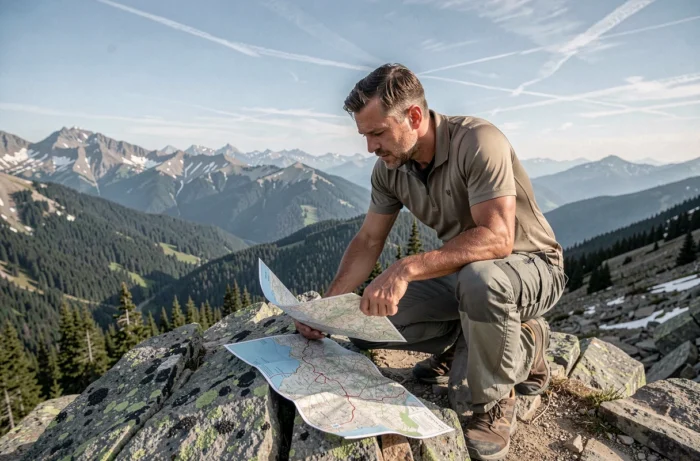
Specifically, this means regions like the Slovenian hinterland, the Albanian coast, or the Ethiopian highlands are attracting a growing audience. Activities there are often more authentic because they are less standardized: fishing with villagers, trekking off the beaten path, staying with locals in a mountain village.
The classic reflex is to look for a country and then see what you can do there. The reverse approach works better: first choose the activity (diving, climbing, wildlife photography), then find the destination that offers it under the best conditions.
Three Criteria for Evaluating a Local Activity
- The ratio of visitors to locals at the activity site: a crowded spot loses its immersive character, even if the scenery is spectacular
- Seasonality: some activities (wildlife observation, blooming seasons, festivals) only exist for a few weeks a year, which requires early planning
- Local guidance: an activity led by a local resident provides access to places and stories that would otherwise be inaccessible
Active Travel and Soft Adventure: Activities That Transform a Stay
Hiking, kayaking, road biking, or snorkeling are no longer reserved for seasoned athletes. This phenomenon has a name in the tourism industry: soft adventure. It refers to accessible physical activities practiced in a natural setting, without competition or performance.
This trend particularly appeals to young travelers. According to observations reported by TTG Asia, these profiles prioritize nature and disconnection experiences. Walking three hours on a coastal trail, paddling in a mangrove, or camping in a national park is gradually replacing bar hopping.
Outdoor Activities in Europe: A Growing Offering
Europe is capturing a growing share of this demand. Outdoor stays and active vacations are becoming firmly established there, supported by suitable infrastructure: greenways, mountain huts, marked natural parks.

Here are some concrete examples illustrating this dynamic:
- The long-distance hiking trails in France (GR), accessible by foot or trail running, traverse a variety of landscapes over hundreds of kilometers
- The Canary Islands offer volcanic trekking combined with diving in the same week, making it a versatile destination
- Northern Scandinavia remains the go-to for observing the Northern Lights in winter, a contemplative activity that requires no particular physical condition
- The Italian or Slovenian lakes provide an ideal setting for kayaking, paddleboarding, or swimming in open water, with easy access from major cities
Choosing Your Travel Activities: The Method That Avoids Disappointment
Stacking activities on a tight schedule produces the opposite effect of what is sought. Two or three memorable experiences are worth more than a rushed ten. A common pitfall is to book online “top 10” pre-formatted lists without checking their actual relevance.
A successful activity meets a simple criterion: it leaves a clear memory. Not a blurry photo taken in haste, but a feeling, an exchange, a moment of effort or calm. A pottery class in Fez stays in memory because you touched the clay, not because you watched a craftsman work behind glass.
For each destination, identify the activity you couldn’t replicate elsewhere. A safari in Botswana in the Okavango Delta is unlike any other African safari. A dive in the cenotes of the Yucatán is nothing like diving in the Mediterranean. It’s this geographical specificity that gives value to the experience.
The most successful trips share a common point: the main activity was chosen before the destination. Departing to do something specific guides every decision, from choosing the region to the number of days on-site. The rest of the stay is organized around this guiding thread, with the freedom to improvise alongside it.